
Flat-Bottom Bags: Coffee Packaging, Uses & Comparisons

Choosing flat-bottom pouches for coffee and dry foods
Flat-bottom bags have a rectangular base and side gussets that create a box-like pack for coffee, dry foods and pet food. HUAYN supplies this format for fills from 250 g to 5 kg, with several panels for product information and options such as a pocket zipper or degassing valve.
Configure a flat-bottom bag for your product
Structure and filled-pack checks
A defined bottom panel joins the front, back and side gussets to form a rectangular filled shape. HUAYN’s selector calls this an 8-side-seal or flat-bottom bag. The drawing shows the base and seal arrangement for your order.

Construction details
Use the details below to review the drawing, filling process and filled sample.
1. Defined base panel

Review the base and side panels together. A separate base panel and side gussets create the box-like profile. Confirm the actual base dimensions and the filled shape rather than relying on the format name.
2. Artwork panels
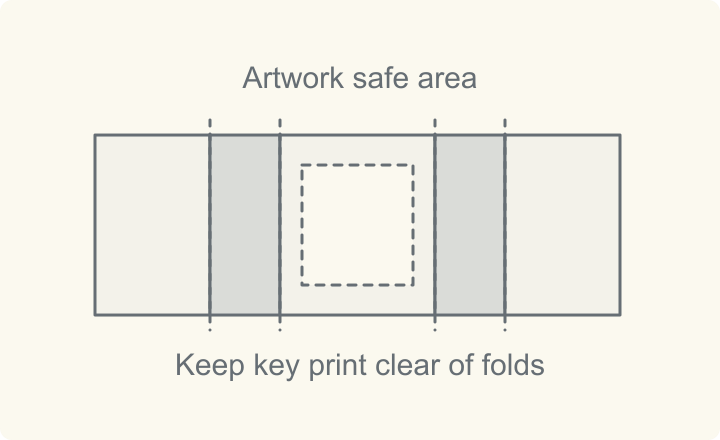
Keep critical print away from folds. Check the front, back, side and base artwork against the actual dieline. Folds and seals can interrupt small type, barcodes and other important information.
3. Opening and closure

Match the opening to filling and use. Specify the zipper and filling opening for access and reclosure. For freshly roasted coffee, a one-way degassing valve releases gas. Locate these features clear of the final sealing and filling areas.
Common applications
Coffee packaging and tea retail packs
Side panels carry origin, brewing and product information while keeping the front clear. Choose the laminate, seals and packing process for freshness protection. Freshly roasted coffee can use a one-way degassing valve; tea and other dry products use the closure suited to their contents.
Granola, grains and dry foods
A defined footprint can help organize shelf presentation. Granules and irregular pieces settle differently, so check the filled outline and available headspace. Sharp pieces can require additional puncture assessment.
Pet food and treats
The format can be considered where customers pour or scoop repeatedly and where a larger filled pack needs a clear shape. Check opening width, reclosure usability and handling after partial use. Validate the proposed weight through filled-pack testing.
Advantages
Several useful artwork panels
The sides can carry instructions and variants without crowding the front. Keep folds, seals and registration tolerances clear on the dieline.
Defined base and footprint
A correctly sized filled pack has a regular profile. Compare filled samples on the shelf and in the shipping carton to assess space use.
Flexible reclosure choices
Zippers and other reclosure options support repeated use. Set the type and position on the bag drawing.
Practical considerations
More conversion details
Bottom formation and multiple seals create additional points to specify and inspect. Complexity can affect price, tolerances and production planning.
Filled-pack shape
Flat-bottom bags give a defined standing base and a box-like filled shape. Normal fill levels keep the panels and base open during shelf display.
Filling access
Side folds and closure features affect usable mouth width. Confirm the filling nozzle, opening method and sealing clearance before approving artwork.
Compare bag types
Compared with stand-up pouches
Stand-up pouches suit front-facing display with a simple bottom gusset. Flat-bottom bags offer more side-panel space and a squarer footprint. Compare the specified constructions and quantities for cost. Read the stand-up pouches guide.
Compared with quad-seal bags
Both formats use side gussets. Flat-bottom bags have a distinct base panel, while quad-seal bags are defined by their corner seams. Use the drawing to specify the base and seal arrangement. Read the quad-seal bags guide.
Compared with square-bottom liner bags
Square-bottom liners fit inside cartons or containers for bulk containment. Flat-bottom retail pouches provide a sealed, customer-facing pack with printed panels. Read the square-bottom liner bags guide.
Flat-bottom bag specifications
Parameter | Specification |
|---|---|
Material structures | MOPP/VMPET/PE; PET/AL/NY/PE; BOPE/PE. |
Total laminate thickness (one wall) | 95 to 150 μm across all layers in one bag wall. μm means micrometres. |
Fill weight | 250 g to 5 kg, with pouch dimensions matched to product bulk density. Pet food fills above 2 kg use an NY-reinforced structure. |
Closure options | Zipper closures and degassing valves are available as options. |
Artwork clearance | Text and artwork stay at least 5 mm from the corner seals, keeping the printed information clear of the seal area. |
Gravure printing MOQ | 6,000 linear metres of printed film, approximately 10,000 to 25,000 bags per SKU. The quote calculates bag count from the cylinder repeat, web layout and conversion allowance. |
Quotation | Itemized quotation within 24 business hours. |
Specifications for your quote
Provide the specifications you know and mark any open items as "to confirm".
Specification | What to provide or verify |
|---|---|
Base and side-gusset drawing | Show finished width, height, depth, bottom construction and seal positions. |
Multi-panel artwork | Provide separate front, back, side and bottom areas with approved fold and seal clearances. |
Product and protection | State contents, target fill, storage and distribution. Identify barrier, puncture, chemical or thermal requirements that need verification. |
Material and thickness | Choose the material structure and thickness for the application and agreed trials. |
Artwork and quantity | Provide print files or artwork status, finish, quantity per design and size, destination and required schedule. |
Sampling and documentation | Agree sample type, machine or filling trials, acceptance criteria and relevant supporting documents before order approval. |
Questions before ordering
How do flat-bottom and quad-seal bags differ?
The formats are usually distinguished by the base: a flat-bottom bag has a defined bottom panel, while quad-seal describes the four corner seams. The drawing sets the exact construction.
How does the standing base compare with a stand-up pouch?
Under normal filling conditions, the defined base usually gives a flat-bottom bag a more stable, box-like standing profile than a conventional stand-up pouch.
How should flat-bottom bags be packed for shipping?
Flat-bottom bags provide the retail pack. Use a shipping carton or other secondary packaging for transport crush protection.
What are the MOQ, sample lead time and production schedule?
For gravure-printed packaging, the MOQ is 6,000 linear metres of printed film. Normal production takes 15 working days for a first order and 10 working days for a repeat order, counted from signing the formal contract. Shipping time is additional. Send your material, dimensions, quantity per design and artwork status so we can confirm the sample plan.
What evidence should be agreed before approval?
Confirm the specification, sample approval, relevant trial results and acceptance criteria. For regulated applications, identify the market, intended use, document issuer and scope.
Prepare your packaging request
Send the product, target fill, storage or shipping conditions, filling method, quantity per design and destination. Include a sample or drawing if available. Configure flat-bottom bags and request a quote.
Compare all packaging types · Food packaging material guide · Procurement checklist